
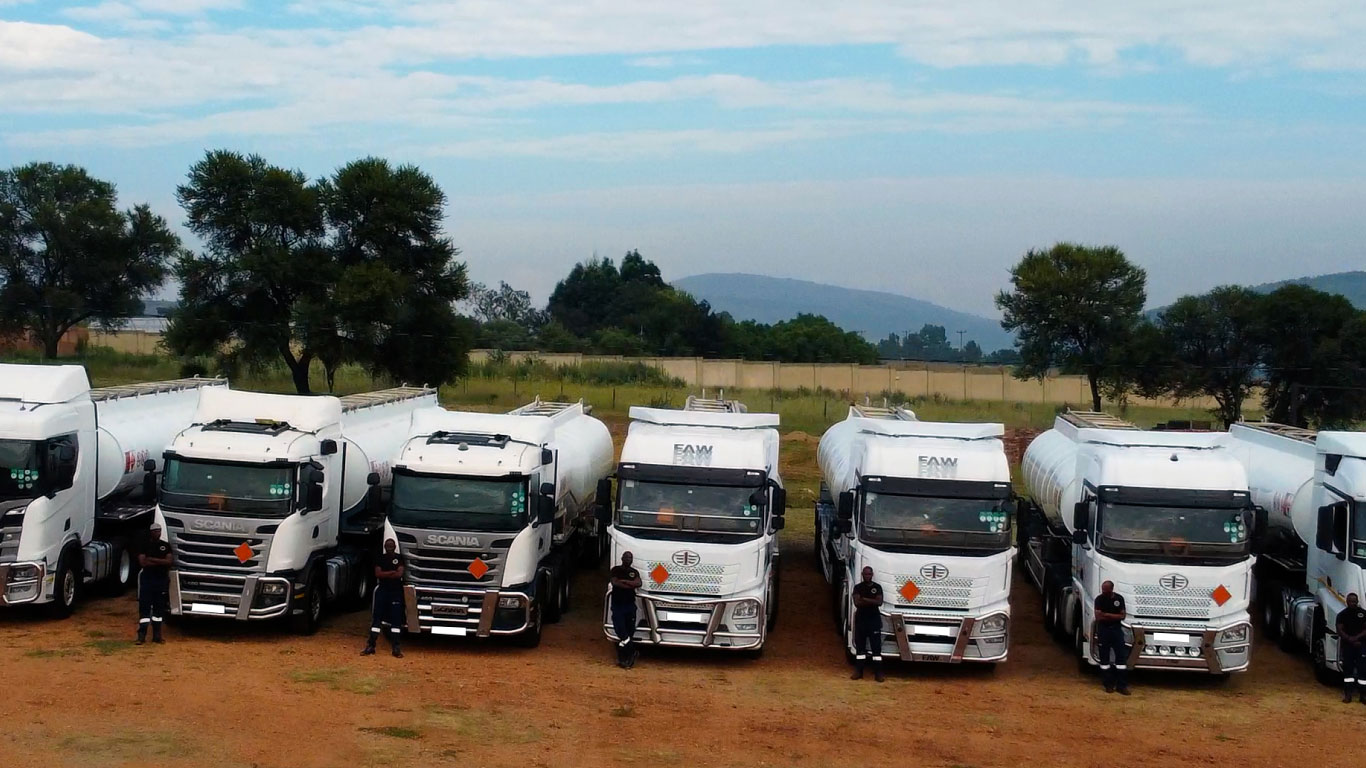
5 Levers to cut diesel cost per kilometre across your fleet
How fleet and logistics operators can take control of fuel spend in 2026
Rising diesel costs are a strategic pressure point. For fleet and logistics operators, the real question isn’t how much fuel costs, but what each kilometre truly costs to run.
In 2026, the operators who stay competitive are the ones treating fuel as a controllable system, not a fixed expense. That means looking beyond pump prices and focusing on the full cost ecosystem: procurement, storage, routing, and human behaviour.
Here are five practical levers that consistently move the needle.
1. Bulk Procurement vs. Pump Pricing: Know Your Break-Even
Buying diesel at the pump is convenient but rarely optimal at scale.
Bulk procurement typically offers:
● Lower per-litre pricing (especially with volume agreements)
● Reduced exposure to daily retail price fluctuations
● Better predictability for budgeting and forecasting
However, the savings only materialise if your consumption justifies it.
Key consideration: Calculate your effective cost per litre, including:
● Delivery fees
● Storage infrastructure costs
● Handling and potential losses
If your fleet consumes consistently and at volume, bulk purchasing almost always wins. If usage is irregular, the advantage narrows.
What to watch: Operators often underestimate how quickly pump pricing inefficiencies compound across a large fleet. A small per-litre difference becomes significant when multiplied by thousands of kilometres per month.
2. When On-Site Storage Actually Pays Off
Where it makes sense:
● High daily fuel throughput
● Centralised fleet operations
● Limited access to reliable nearby fuel stations
● Tight delivery schedules where downtime is costly
Where it doesn’t:
● Low-volume or highly decentralised fleets
● Inconsistent usage patterns
● Poor stock management systems
The economics come down to three factors:
1. Turnover rate – how quickly fuel cycles through your tanks
2. Price advantage – your negotiated bulk rate vs. retail
3. Operational savings – reduced detours, downtime, and admin
A well-managed on-site system saves money and improves control. You know exactly what’s being used, when, and by whom.
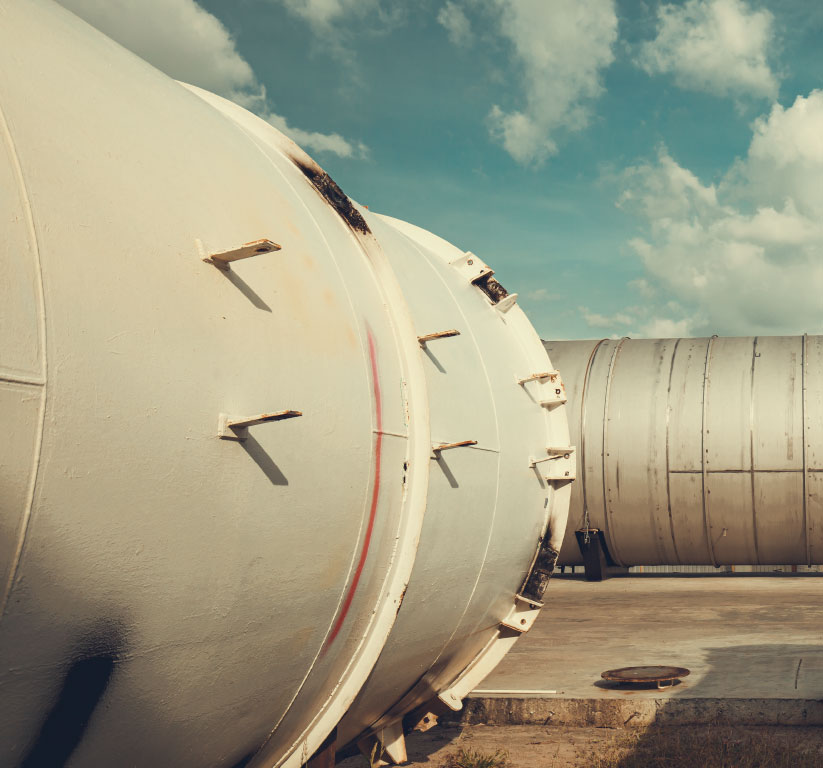
3. Delivery Scheduling:
Avoiding Hidden Costs Like Demurrage
Fuel delivery isn’t just about getting diesel to your site; it’s about when and how it arrives.
Poor scheduling leads to:
● Demurrage charges (waiting time penalties)
● Operational disruptions
● Emergency top-ups at higher prices
Best practice:
● Align deliveries with consumption patterns, not tank levels alone
● Avoid peak congestion windows where delays are likely
● Maintain buffer stock without over-ordering
A simple shift: Move from reactive ordering (“we’re running low”) to planned scheduling based on usage data. This reduces both risk and cost volatility.
4. Route Density:
The Overlooked Multiplier
You can’t control fuel prices, but you can control how efficiently fuel is used. Route density has a direct impact on cost per kilometre.
High-density routes mean:
● Fewer empty return trips
● Better load utilisation
● Lower fuel burn per delivery
Low-density routes lead to:
● Increased kilometres with minimal revenue
● Higher fuel consumption per unit delivered
Where to focus:
● Consolidating deliveries geographically
● Reducing idle time and unnecessary detours
● Using routing software or telematics insights
Even small efficiency gains here often outperform savings from fuel price negotiations alone.
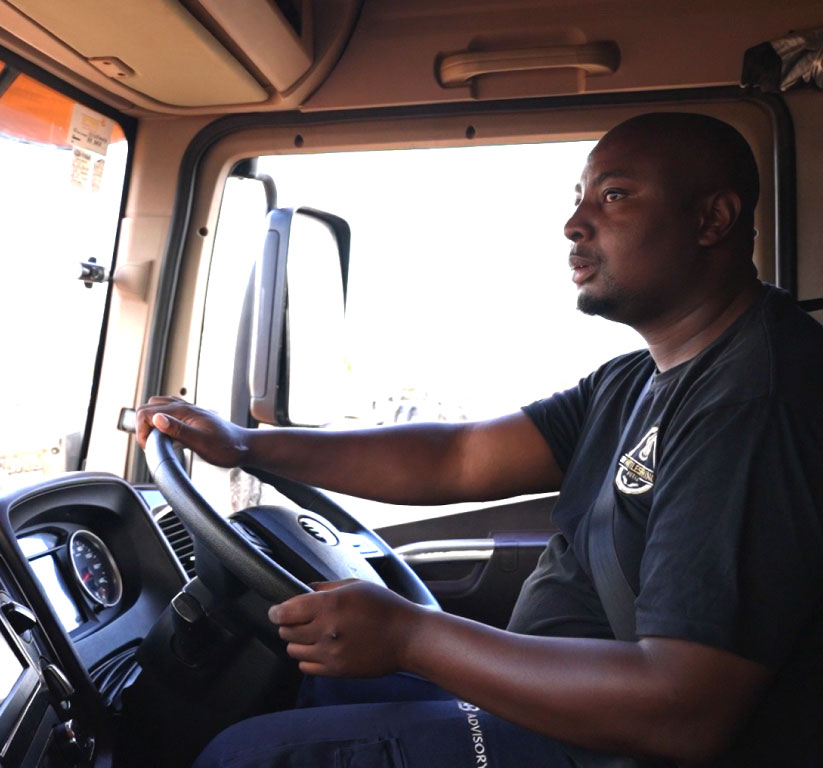
5. Driver Behaviour:
The Fastest Win (and the Hardest to Sustain)
Fuel efficiency isn’t just mechanical, it’s behavioural. Aggressive acceleration, excessive idling, and poor gear usage can increase fuel consumption by 10–25% across a fleet.
High-impact habits to manage:
● Idling time
● Speed consistency
● Harsh braking and acceleration
● Route adherence
What works:
● Telematics tracking with clear benchmarks
● Driver scorecards and feedback loops
● Incentive programmes tied to efficiency
This is often the quickest lever to pull, but it requires consistency. One training session won’t fix it. Ongoing visibility and accountability will.
The Bigger Picture:
Cost per Kilometre as a System
Each of these levers matters on its own. But the real advantage comes from managing them together.
● Bulk buying lowers your input cost
● Storage improves control and access
● Scheduling reduces penalties and disruptions
● Routing maximises output per litre
● Driver behaviour protects your gains
When aligned, they shift fuel from being a volatile expense to a managed performance metric.
Where Wattlespring Fuels fits in
Reducing diesel cost per kilometre isn’t just about buying cheaper fuel; it’s about building a smarter fuel strategy. That’s where Wattlespring Fuels positions itself differently.
Instead of simply supplying litres, the focus is on supporting your total cost of ownership:
● Structuring bulk supply agreements that match your consumption
● Advising on whether on-site storage will actually deliver ROI
● Coordinating deliveries to minimise operational friction
● Providing consistency and reliability that supports planning
Because in a high-cost environment, reliability is just as valuable as price.
Final Thought
There’s no single switch that cuts fuel costs overnight. But some systems steadily bring them down.
The operators who win in 2026 won’t be the ones chasing the lowest price; they will be the ones managing fuel with intent, data, and discipline.